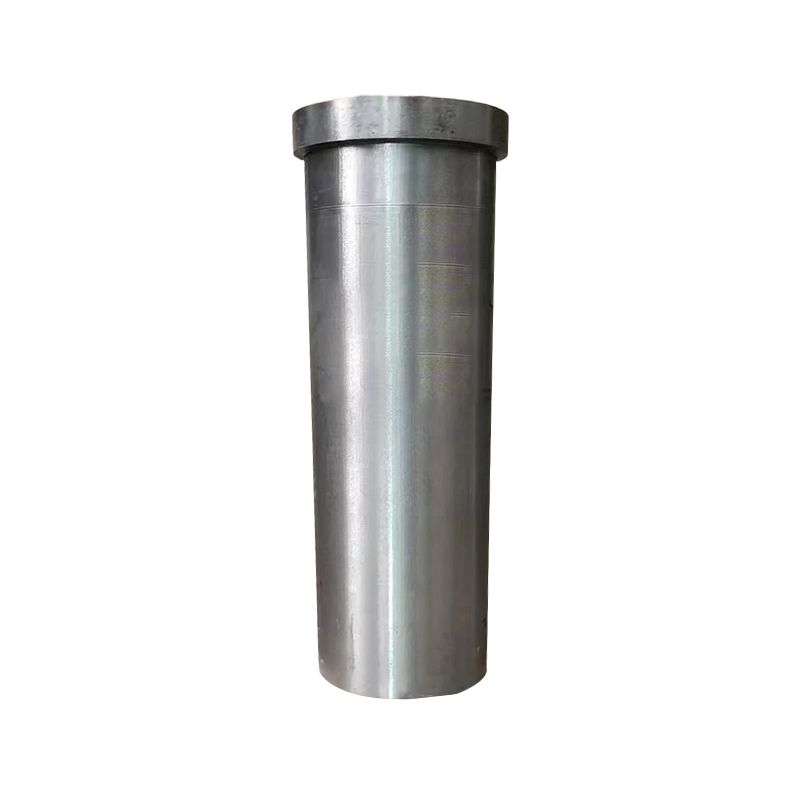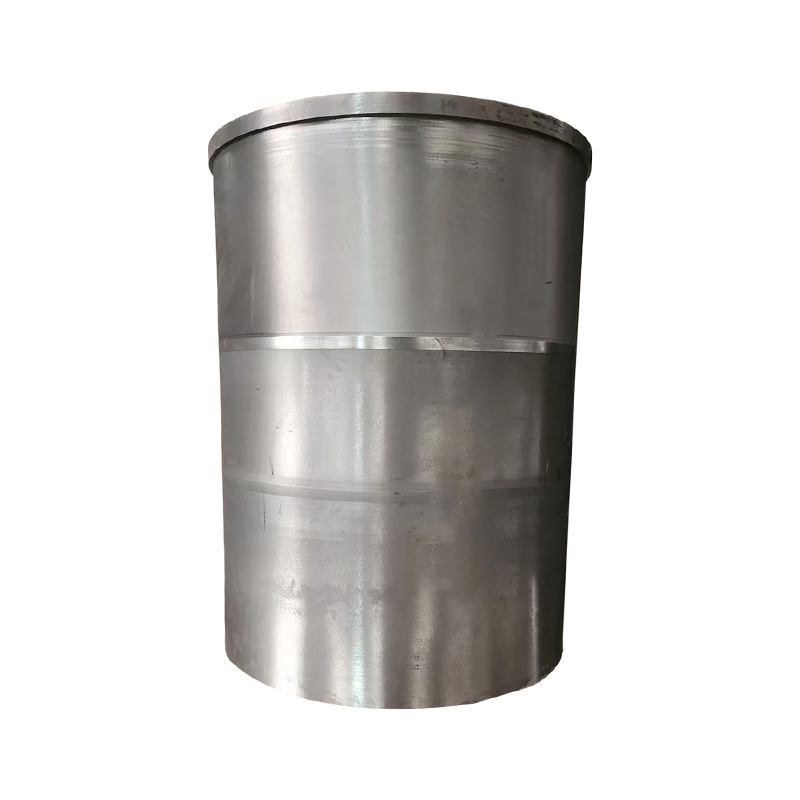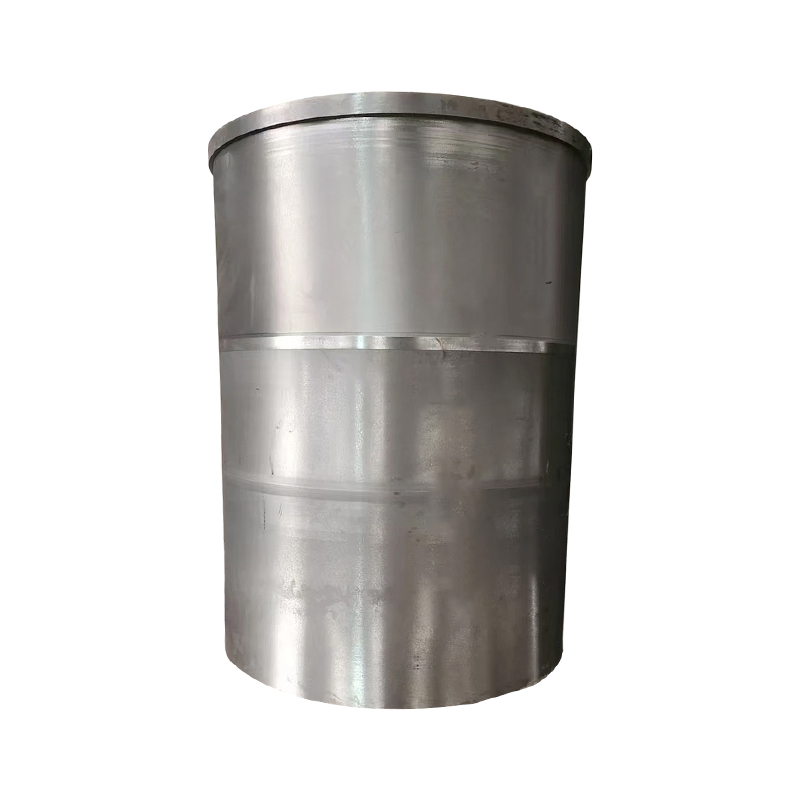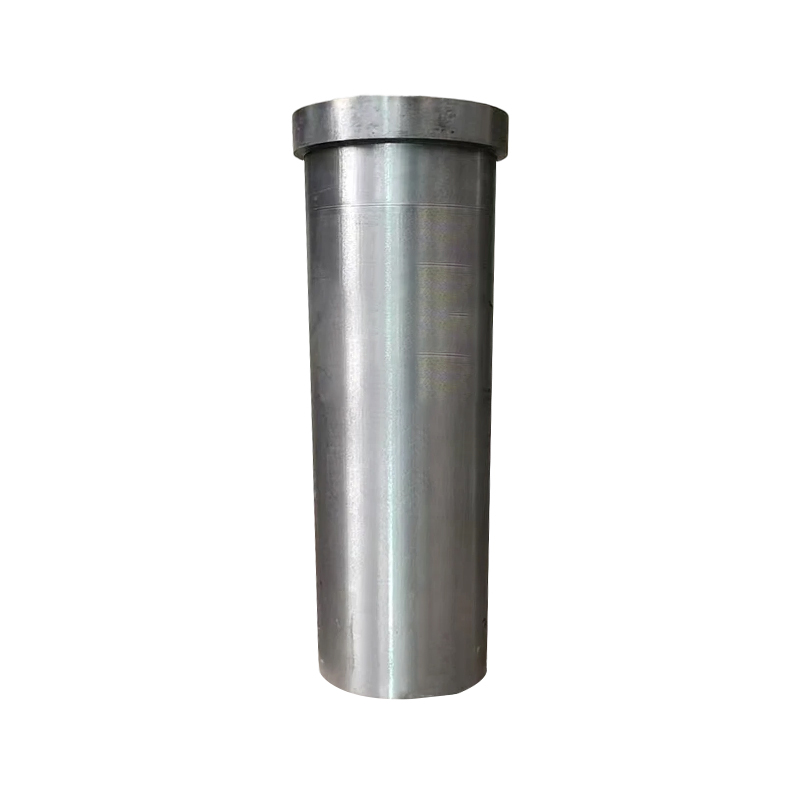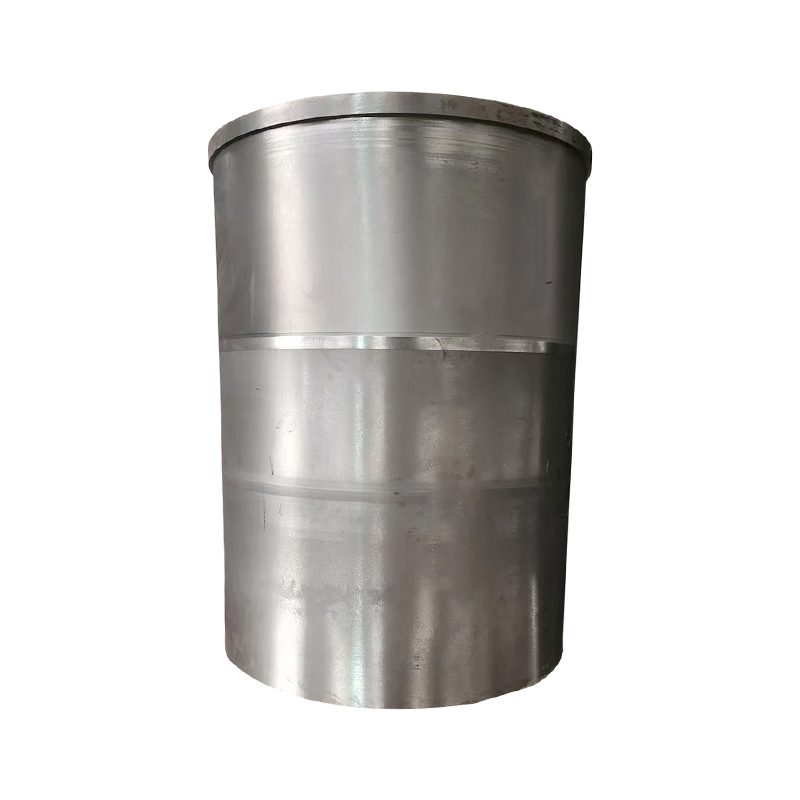

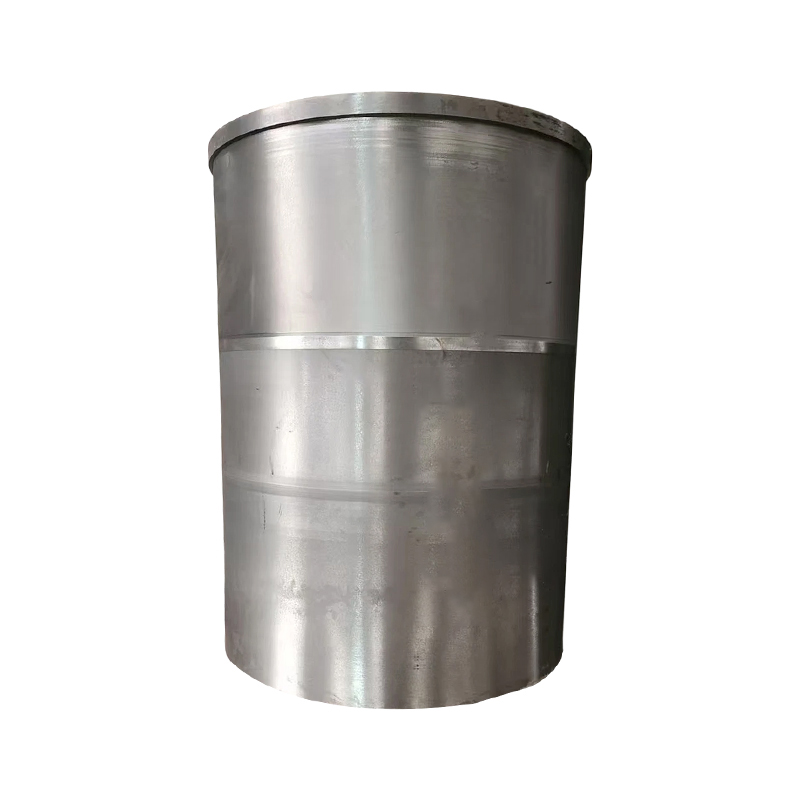
The effect of the chemical composition of a chemical engine cylinder liner on its coefficient of thermal expansion is a complex issue involving materials science, thermodynamics, and engineering applications.
A sound quality inspection system is essential to ensure that chemical residues in chemical engine cylinder liners meet standards.
In internal combustion engine systems, the chemical engine cylinder liner, as a core component, directly participates in the construction of the combustion chamber and undertakes the guiding and sealing functions of the piston's reciprocating motion.
Good lubrication can reduce friction and wear between piston rings and cylinder liners, and reduce the contribution of mechanical stress to fatigue damage.
When starting at low temperatures, the viscosity of the lubricating oil increases and its fluidity decreases, resulting in a significant increase in the instantaneous wear rate of the cylinder liner.
The cylindricity and roundness error of the inner wall of the chemical engine cylinder liner must be strictly controlled to avoid uneven wear during piston ring movement.